Over the past few years, “slow travel” has evolved from a niche philosophy into a movement reshaping how people explore the world. As travel becomes faster and more accessible, with costs spanning a broad range, the true luxury has become something far more precious: time—time to notice, to breathe, to connect, to belong.
Slow travel asks a simple question:
What if the journey is just as meaningful as the destination?
So… what exactly is slow travel?
Slow travel is a mindset, not a mode of transportation. It’s choosing depth over speed, presence over checklists, and meaningful experience over superficial highlights. Instead of racing between attractions, slow travelers sink into the rhythms of a place—its food, its people, its landscapes, its hidden corners, its quiet moments.
It often includes:
- Staying longer in fewer places
- Using ground transportation (trains, buses, ferries, walking)
- Supporting local communities
- Leaving room for spontaneity
- Prioritizing connection over consumption
Slow travel is not about being inefficient—it’s about being intentional.
Why slow travel matters now more than ever
1. It restores what traditional tourism often takes away
Hyper-tourism has left many destinations overcrowded, stressed, and struggling to preserve their cultural and environmental integrity. Slow travel spreads visitors more evenly, supports small businesses, and reduces the pressure on “postcard locations” that are drowning in day‑trippers.
When you stay longer, you spend deeper, not just more—in family-run cafés, local guides, artists, and markets that rarely benefit from quick-hit tourism.
2. It’s gentler on the planet
Choosing trains over short-haul flights, walking instead of Ubering, and staying weeks instead of days dramatically reduces your footprint. The journey becomes part of the story, not an inconvenience to minimize.
Sustainability isn’t only about carbon—it’s about how you show up in a place.
3. It creates space for authenticity
You can’t rush into a meaningful moment.
Slow travel invites them in.
When you spend time:
- you start recognizing familiar faces
- the barista remembers your order
- you stumble into community events
- you notice the way the light changes throughout the day
- you experience a place, not a postcard
Travel becomes less like consumption and more like belonging.
4. It strengthens your sense of self
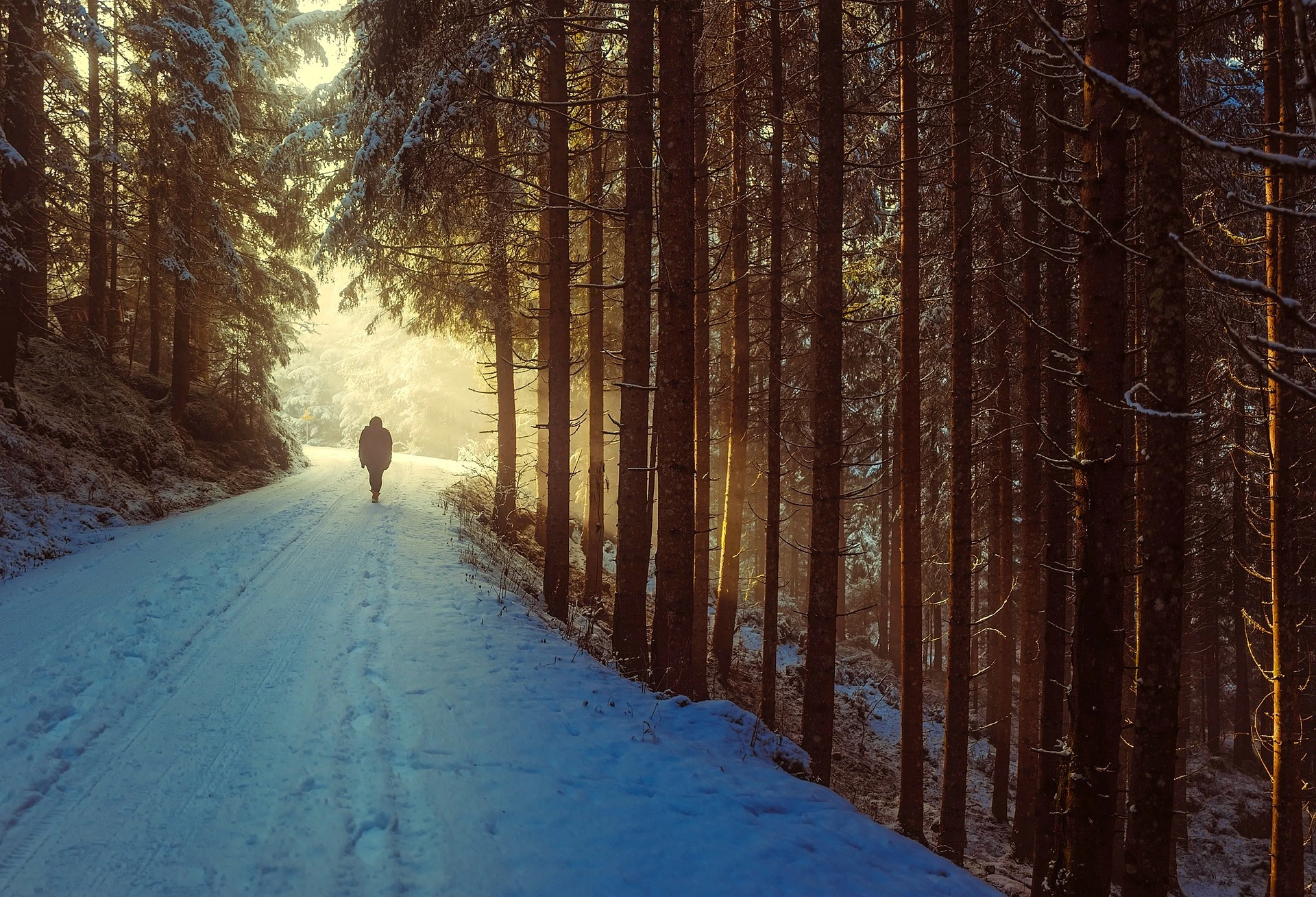
Slower days create room for reflection.
Less rushing means more noticing.
More noticing leads to more understanding—of others and of yourself.
Many people return from fast-paced trips feeling more tired than when they left. Slow travel, in contrast, offers renewal, creativity, calm, and clarity.
5. It makes travel feel magical again
When everything is scheduled, optimized, and “must-see,” wonder gets squeezed out. But slow travel brings it back.
Magic happens when you:
- follow a local’s recommendation
- take a detour because the landscape is beautiful
- spend a rainy afternoon reading in a tiny café
- discover a quiet forest trail or a seaside viewpoint no guidebook mentions
These are the moments you remember years later.
How to embrace slow travel (no matter where you are)
You don’t need a month-long sabbatical to travel slowly. You simply need a shift in mindset.
Try:
- Choosing one home base instead of five
- Using trains instead of planes when possible
- Planning fewer activities and allowing more open space
- Learning basic phrases in the local language
- Seeking out local-led experiences
- Letting curiosity—not FOMO—guide you
Slow travel is permission to do less, but feel more.
At the end of the day
Slow travel isn’t about taking more time off—it’s about using time differently. It’s a way of traveling that honors the world, the communities you visit, and your own inner landscape. In 2026, as our lives feel faster and louder than ever, slow travel matters because it brings us back to what travel was always meant to be:
A way to connect.
A way to learn.
A way to feel human again.
If you want to explore how slow travel would work for you and what it might look like, either with someone or a solo journey — I’d be happy to help you plan your travel.
Blog presented by Samantha Leeming, Travel Specialist at Gin & Tonic Travel